
Titans of Industry – How Robotics and Automation are transforming manufacturing in 2026
In 2026, automation is transforming the way architectural metal products are designed, fabricated and delivered. Advanced manufacturing technologies, AI-assisted production systems and digitally controlled machinery are enabling faster production, greater precision and more complex architectural outcomes than ever before.
For manufacturers like Locker Group, automation is not simply about increasing production speed — it is about delivering consistent quality, tighter tolerances and greater design flexibility across architectural and industrial metal solutions.
From perforated metal and expanded mesh to custom laser-cut architectural panels, automated manufacturing is reshaping what is possible in modern architectural design.
Automation Is Redefining Architectural Manufacturing
Architectural projects increasingly demand customised materials, complex geometries and high-performance finishes delivered within tight construction timeframes. Traditional fabrication methods can struggle to meet these expectations consistently at scale.
Advanced automation allows Locker Group to manufacture architectural products with a level of precision and repeatability that supports both creative design intent and large-scale project delivery.
Digitally integrated production systems streamline fabrication processes across:
- Perforated metal manufacturing
- Expanded mesh production
- Laser-cut architectural panels
- Screening and facade systems
- Balustrades and feature elements
- Industrial flooring and access products
This technology-driven approach improves efficiency while ensuring consistency across every panel, sheet and fabricated component.
Precision Laser Cutting Expanding Design Possibilities
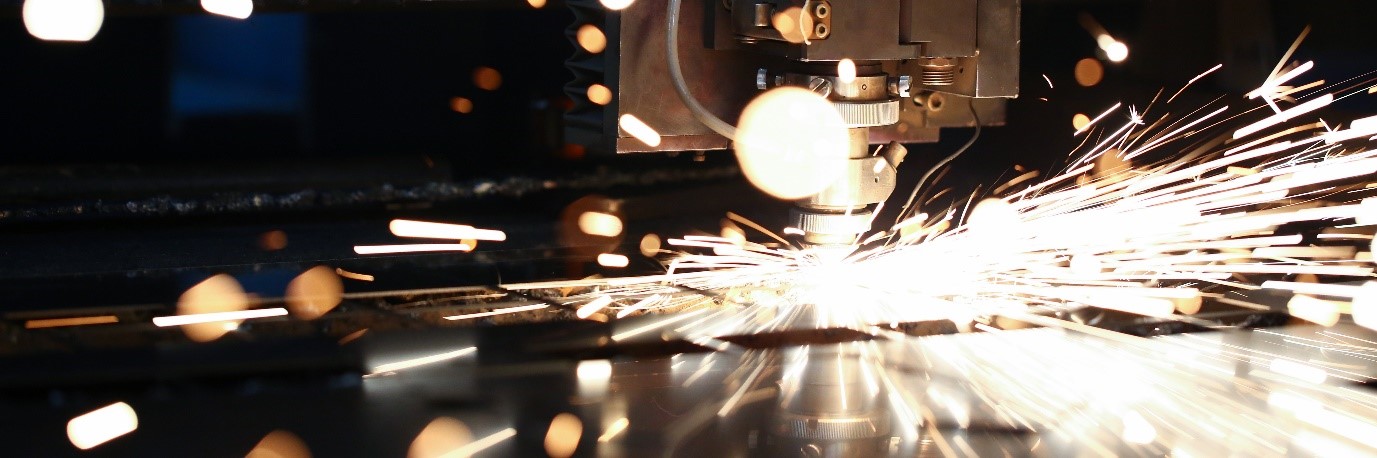
Laser cutting technology has become one of the most important tools in modern architectural manufacturing. High-powered, digitally controlled laser systems enable Locker Group to produce intricate and highly accurate metal components suitable for both architectural and industrial applications.
Using advanced laser cutting machinery, Locker Group can achieve:
- Complex custom patterns and geometries
- High-precision cuts with clean edge finishes
- Consistent repeatability across production runs
- Reduced material waste
- Faster turnaround for custom fabrication projects
For architects and designers, this creates greater freedom to specify customised screening, facades and decorative metal features without compromising manufacturing accuracy or project efficiency.
Laser-cut products are increasingly used across:
- Building facades
- Sun shading systems
- Ventilation screening
- Privacy screens
- Feature architectural panels
- Transport and infrastructure projects
Automation ensures each component is manufactured with precise dimensional consistency, helping simplify installation and improve overall project quality.
Perforated Metal Manufacturing at Scale
Perforated metal remains one of the most versatile materials in architectural design, widely used for screening, acoustic treatments, facades and ventilation systems.
Automated perforation technologies enable Locker Group to manufacture perforated metal products with:
- Accurate and repeatable hole patterns
- Tight dimensional tolerances
- Consistent finish quality
- High-volume production capability
- Customisable pattern configurations
This manufacturing precision allows architects to integrate perforated metal into projects where aesthetics, airflow, lighting control and durability must work together seamlessly.
Combined with laser cutting technologies, perforated metal systems can also be tailored to achieve highly customised architectural outcomes.
The Future of Architectural Metal Fabrication
As architecture continues to evolve, manufacturers are playing a larger role in helping designers realise increasingly Webforge Locker’s investment in advanced automation, laser cutting systems and digitally controlled fabrication technologies ensures architects, builders and engineers have access to precision-manufactured products capable of meeting modern design and performance expectations.
From perforated metal and expanded mesh to custom laser-cut screening, automation is enabling a new generation of architectural metal solutions that combine aesthetics, durability and manufacturing precision at scale.


Leave a Reply
You must be logged in to post a comment.