
How Architectural Design Can Reduce Graffiti in Australian Cities
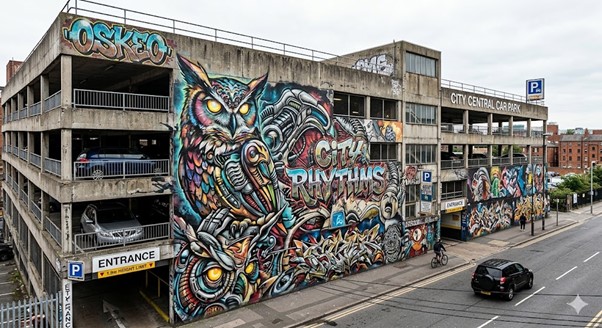
Graffiti remains a persistent issue across Australia’s urban centres—impacting infrastructure, community perception, and long-term maintenance costs.
While earlier figures focused on NSW Police reports, more recent data shows the scale is still significant and ongoing. Across Australia, millions of incidents go unreported each year, with councils and reporting platforms highlighting a continuous stream of graffiti complaints.
Financially, the impact has not eased. Graffiti removal is estimated to cost the Australian community more than $2 billion annually, with broader vandalism costs approaching $3 billion per year.
At the local level, councils still spend heavily—some reporting over $100,000 annually on graffiti removal in a single municipality, funds that could otherwise support community infrastructure.
With removal costs ranging between $50–$100 per square metre, prevention is increasingly recognised as the more effective long-term strategy.
Why Graffiti Prevention Through Design Matters
The industry has shifted from reactive clean-up to proactive, design-led prevention.
Modern strategies focus on:
- Reducing repeat tagging
- Minimising visible surfaces
- Lowering the “reward” for vandals
- Designing out opportunities for graffiti entirely
This aligns with Crime Prevention Through Environmental Design (CPTED) principles, which emphasise visibility, access control, and material selection as key deterrents.
In short: if a surface is difficult to tag and offers little visual payoff, it becomes a low-priority target.
Perforated Facades: A Smarter Anti-Graffiti Solution

Blank, flat walls are ideal canvases for graffiti. In contrast, Locker perforated facade systems provide a built-in deterrent.
Key anti-graffiti benefits:
- Disrupted surfaces
Perforations break up spray patterns, making clean lines and tags difficult to achieve. - Reduced visibility
Graffiti applied to perforated metal appears fragmented and unreadable from a distance. - Lower vandal appeal
Graffiti is driven by recognition—if the result isn’t visually impactful, the incentive is reduced.
This approach aligns with newer anti-graffiti innovations, where materials are designed to reduce the visibility and recognition of tagging, discouraging repeated attacks.
Expanded Metal: Strength, Texture and Deterrence
Locker expanded metal further enhances graffiti resistance through:
- Complex geometric patterns that are difficult to paint across
- Textured, uneven surfaces that interrupt spray adhesion
- Durability and ease of cleaning, including pressure washing or solvent cleaning without surface damage
Unlike traditional painted walls, expanded metal does not provide a smooth, continuous canvas—making it inherently less attractive to vandals.
Pic-Perf: Turning Facades into Anti-Graffiti Design Features
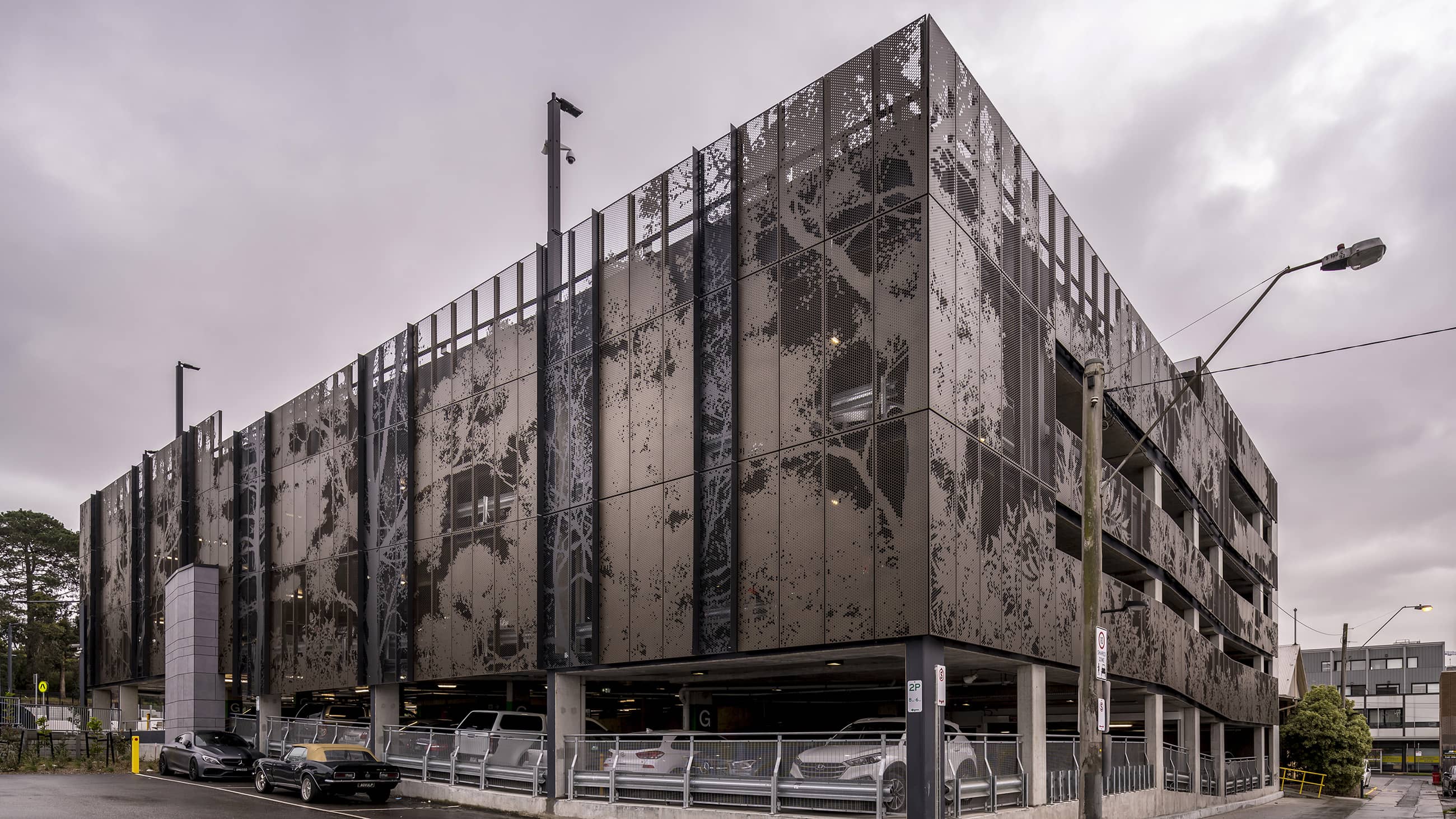
Cheltenham Station
Pic-Perf takes architectural deterrence to the next level by integrating imagery directly into the facade.
Using perforation patterns rather than paint, Pic-Perf creates durable, visually striking designs that:
- Eliminate reliance on coatings or applied graphics
- Maintain visual integrity even after cleaning
- Reduce the perceived need for additional tagging
This approach taps into a well-documented behavioural trend:
Surfaces that already feature artwork or design are less likely to be targeted by graffiti.
Community-based research shows that public art and murals can reduce graffiti incidents by fostering ownership and pride, while also making tagging less visible.
However, studies also confirm that art alone is not a complete solution—it works best when combined with durable materials and smart design.
Pic-Perf delivers both.
Designing Out Graffiti with Locker
Graffiti is unlikely to disappear entirely—but it can be significantly reduced through smarter design.
Locker architectural solutions, including:
- Perforated facade systems
- Expanded metal cladding
- Pic-Perf custom architectural imagery
…enable architects, developers, and councils to design out graffiti from the outset, rather than managing it after the fact.
The result?
- Lower maintenance costs
- Reduced vandalism risk
- Stronger, more visually engaging built environments
If you’re designing for public or high-traffic spaces, integrating anti-graffiti strategies early can deliver lasting value.
To learn how Locker Architectural Systems can support your next architectural project, get in touch with our team today.

Leave a Reply
You must be logged in to post a comment.