
5 innovative ways to use metal screens in architectural design
Metal screens have long been valued for their durability, versatility, and visual appeal. Today, architects, designers, and builders are finding increasingly creative ways to incorporate them into commercial, residential, and public spaces. Whether fabricated as standard panels or custom-designed to suit a project’s unique requirements, metal screens can deliver both functional performance and striking aesthetics.
From enhancing privacy and shading to creating distinctive architectural features, here are five innovative ways metal screens can be used in modern design.
1. Create Memorable Branding and Building Identity
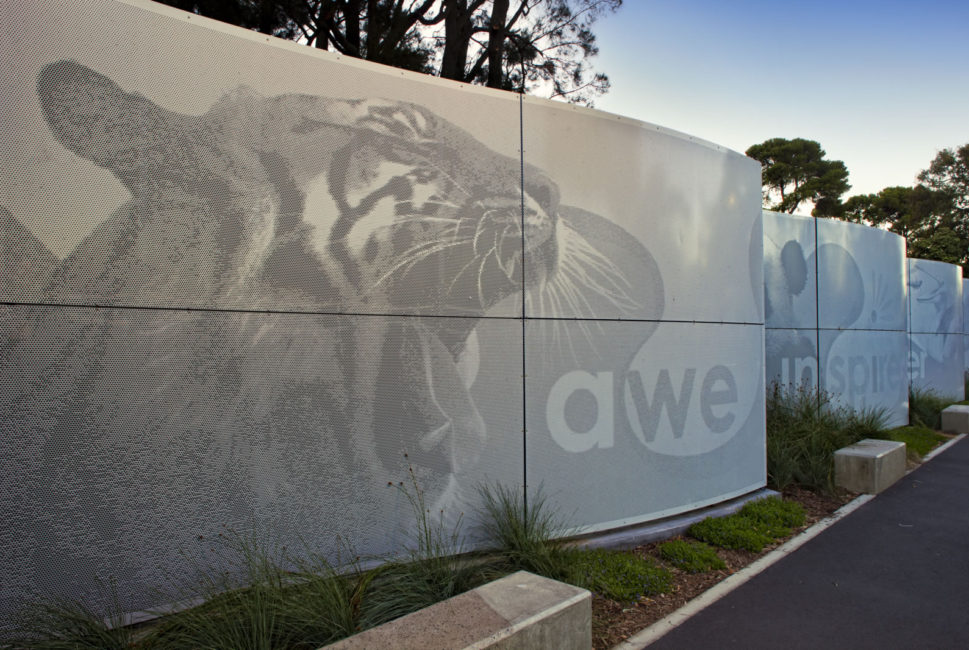
Metal screens are no longer limited to simple geometric patterns. Advances in manufacturing technology now allow intricate imagery, logos, and custom artwork to be incorporated directly into architectural facades and feature panels.
Products such as Locker’s Pic Perf® enable businesses, educational facilities, community spaces, and public infrastructure projects to integrate branding elements into building exteriors. Custom perforated designs can reproduce logos, landscapes, artwork, and patterns, creating a highly distinctive visual statement while maintaining functionality.
Beyond aesthetics, these screens can also provide solar shading, ventilation, and privacy, making them a practical architectural feature as well as a branding opportunity.

Atmosphere
2. Enhance Privacy Without Compromising Natural Light
Maintaining privacy while preserving openness can be a challenge in commercial, residential, healthcare, and education environments. Metal screens provide an ideal solution by creating visual separation without completely enclosing a space.
Internally, decorative screens can define meeting areas, breakout zones, dining spaces, or waiting areas while allowing light and airflow to pass through. Externally, laser-cut and perforated screens can shield courtyards, balconies, and building facades from direct sightlines while still providing access to daylight and views.
The result is a more comfortable and welcoming environment that balances privacy with connectivity.
3. Transform Balustrades Into Architectural Features
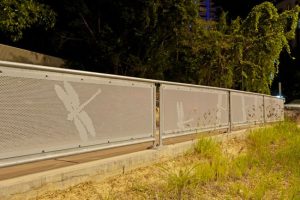
Balustrades are essential safety elements, but they don’t need to be purely functional. Perforated and decorative metal screens can transform stairways, walkways, balconies, and elevated platforms into standout architectural features.
By replacing conventional vertical balusters with custom-designed metal infill panels, designers can introduce texture, pattern, and visual interest to transitional spaces. This approach allows balustrades to contribute to the overall design language of a building while maintaining safety and compliance requirements.
The flexibility of materials, finishes, and perforation styles provides endless opportunities to create a unique aesthetic.
4. Improve Solar Control and Building Performance

Project Name: Bowden Street Location:Alexandria Architect: BVN Design Architects , SJ Bishop Architect / Solid Property Group
One of the most valuable functions of architectural metal screens is their ability to provide solar shading. Positioned on building facades, windows, or outdoor structures, screens can reduce direct sunlight penetration while still allowing natural light and airflow.
This helps create more comfortable internal environments, reduces glare, and may contribute to improved energy efficiency by decreasing cooling loads. Depending on the pattern, material, and positioning, screens can be tailored to achieve the right balance between visibility, shading, and ventilation.
The combination of performance and visual appeal makes metal screens a popular choice for both new developments and refurbishment projects.
5. Design Unique Outdoor Shade Structures
Metal screens can also play a key role in outdoor environments. Rather than fully enclosing a space, perforated or laser-cut panels can be incorporated into pergolas, walkways, rooftop terraces, and public gathering areas to create filtered shade effects.
These structures offer an appealing balance of sunlight and protection, creating comfortable spaces for people to gather, relax, or move through. The dynamic interplay of light and shadow can add another layer of visual interest, particularly when customised patterns are used.
When combined with traditional roofing elements, metal screens can help create versatile outdoor spaces that remain functional throughout the year.
Architectural Screening Expertise You Can Rely On
At Locker, we work closely with project teams to develop customised architectural screening solutions that meet both functional and aesthetic objectives. Whether you’re specifying a standard product or exploring a completely bespoke design, our team can help turn your concept into reality.
Contact Locker today to discuss how architectural metal screens can elevate your next project.

Leave a Reply
You must be logged in to post a comment.