
the history of perforated metal: from ancient craftsmanship to modern architecture
Perforated metal has evolved far beyond its original purpose as a simple filtering or drainage material. Today, it is widely used in architectural and industrial applications, providing solutions for sun shading, ventilation, safety, privacy screening and striking visual design.
The perforated metal designs we see in contemporary architecture are the result of thousands of years of innovation. From early hand-crafted perforations to advanced machine-made patterns and custom image perforations, the journey of perforated metal reflects the development of both manufacturing technology and design creativity.
How Perforated Metal Is Manufactured Today
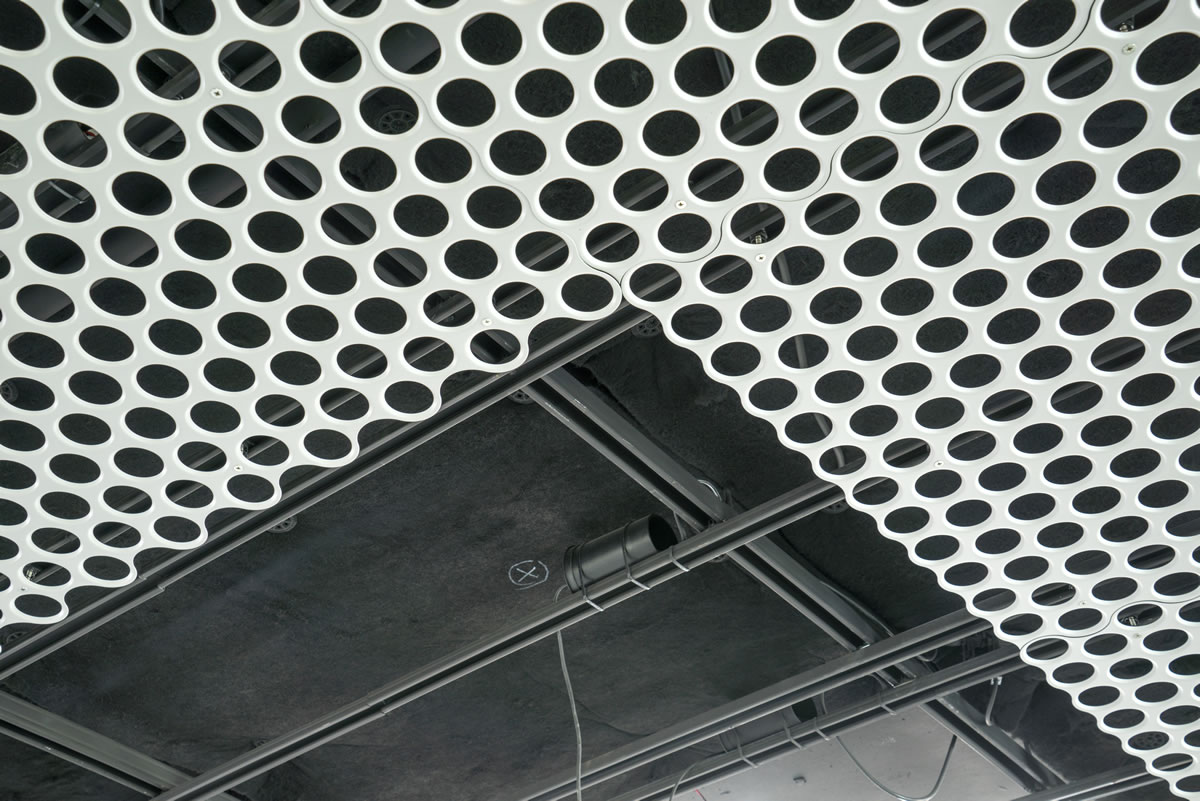
Modern perforated metal production relies on sophisticated punching technology. Hydraulic and CNC-controlled punching machines use a punch-and-die system to create accurately sized holes in metal sheets.
During the process, the punch forces material through the die, removing a portion of the metal to create the required open area. Locker can produce an extensive range of hole shapes, sizes and patterns depending on the project’s technical or aesthetic requirements.
Specialised equipment can create highly detailed patterns, custom perforations and varying hole sizes across a single sheet.
The Rise of Perforated Metal in Architecture
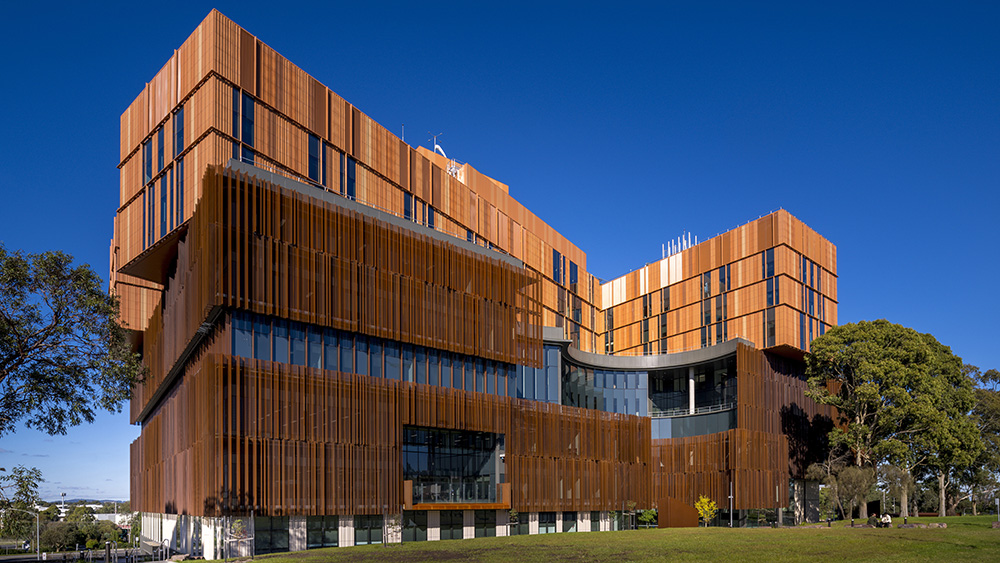
Vic Heart Hospital, Clayton Victoria
Advances in manufacturing have transformed perforated metal into one of the most versatile materials available to architects and designers.
Locker perforated metal panels can be folded, formed and fabricated into a wide variety of applications, including:
• Building facades
• Sunscreen systems
• Privacy screens
• Balustrades
• Stair enclosures
• Ceiling features
• Ventilation panels
• Decorative architectural elements
In addition to their visual appeal, perforated metal panels offer practical benefits including airflow, light filtration, durability and resistance to harsh weather conditions. By carefully balancing open area and material strength, architects can achieve both functional performance and striking aesthetic outcomes.
Creating Images with Perforated Metal
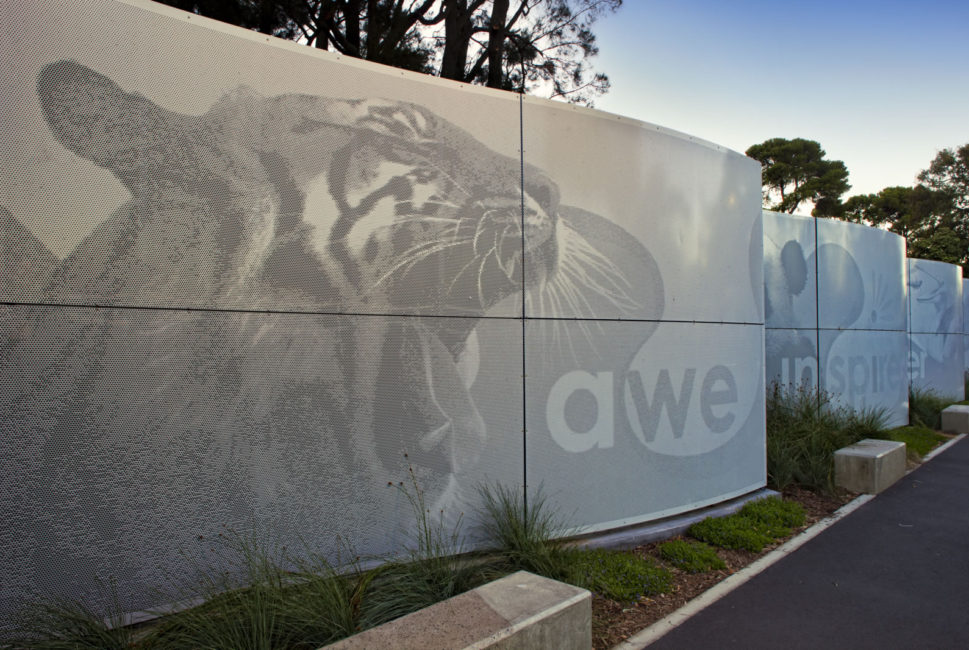
One of the most innovative developments in perforated metal technology is the ability to create photographic-style images within metal panels.
At Locker, we use Pic-Perf®, a proprietary technology that varies hole sizes across a sheet to reproduce images, logos and artistic designs. By combining larger and smaller perforations, Pic-Perf® creates the appearance of a detailed image while maintaining the functional benefits of perforated metal.
The process begins with a customer-supplied image, which is converted into a carefully engineered perforation pattern. Factors such as viewing distance, lighting conditions and material selection are considered to ensure the final result delivers maximum visual impact.
Bringing Your Vision to Life
From ancient filtration tools to sophisticated architectural facades, perforated metal has undergone an extraordinary transformation. Today’s manufacturing capabilities allow designers to combine functionality, performance and creativity in ways that were once impossible.
Whether you’re designing a striking building facade, a decorative screen or a custom image perforation, perforated metal offers almost limitless possibilities.
Interested in incorporating perforated metal into your next project? Contact the team at Locker to explore our range of architectural perforated metal solutions and custom Pic-Perf® designs.

Leave a Reply
You must be logged in to post a comment.